
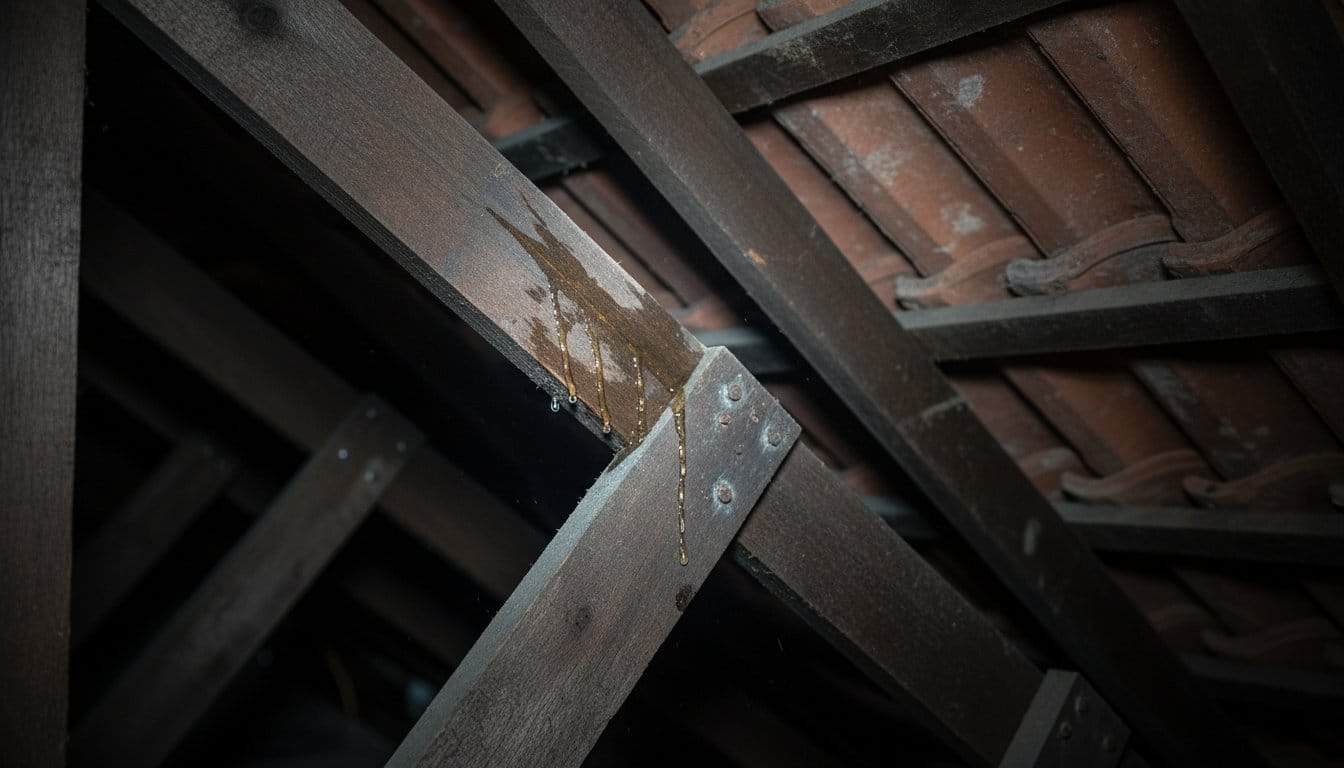
Imagine waking up after a heavy Brisbane storm to find a mysterious damp patch on your bedroom ceiling, yet the tiles directly above it appear perfectly intact. Water rarely falls in a straight line; it often enters at one point and travels several meters along a rafter before finally dripping onto your plasterboard. This frustrating game of hide and seek makes finding a hidden roof leak one of the most challenging maintenance tasks for any homeowner. You aren’t alone in feeling anxious about what is happening behind your walls, especially when you consider that moisture can trigger mold growth in as little as 48 hours.
We believe you should be able to protect your family home without the fear of being overcharged for unnecessary repairs. It’s why we’ve spent over 35 years as a family owned business helping locals identify issues before they become disasters. This guide will teach you the professional methods we use to pinpoint elusive entry points and prevent structural damage. We’ll show you how to trace water trails and help you decide if the fix is a simple weekend task or if it’s time to call in an accredited master roofer.
Key Takeaways
- Understand the “path of least resistance” to see why water often enters your roof at one point but drips from a completely different area.
- Learn how to safely identify “witness marks” in your attic, such as rusted nails or subtle stains, to track moisture back to its source.
- Master the professional “bottom-up” garden hose technique for finding a hidden roof leak using a systematic two-person approach.
- Identify the specific vulnerabilities of Brisbane roofs, from cracked tile bedding and porous materials to rusted screw holes on metal sheeting.
- Discover why premium, long-term sealing solutions are superior to temporary patches for protecting your home’s structural integrity.
Why Roof Leaks Hide: Understanding Water Travel in Brisbane Homes
Finding a hidden roof leak is often more complex than looking straight up from a wet patch on your ceiling. A “hidden” leak occurs when water enters your home at one point, perhaps a cracked tile or a rusted valley, but exits far from the source. Most homeowners assume the entry point is directly above the stain, but in our 30 years of experience, we’ve found this is the number one misconception. Water is opportunistic and rarely follows a straight vertical line once it gets inside your roof cavity.
In Brisbane, our unique combination of high humidity and intense summer storm winds creates conditions where water can be forced into tiny gaps that usually remain dry. Understanding how water travels is the first step in protecting your home from structural damage. To better understand the mechanics of how water travels through a home, watch this helpful video:
Once water penetrates the outer layer, it follows the path of least resistance. It clings to rafters and ceiling joists, traveling several meters before finally dripping onto your plasterboard. This movement is governed by the physics of roof construction, where horizontal supports and insulation provide a highway for moisture to migrate. A leak starting at a ridge cap might not show up until it reaches a light fixture three meters away. Our team at Brisbane Roof and Paint uses meticulous inspection techniques to trace these paths back to their origin, providing quality you can trust.
The Role of Capillary Action and Surface Tension
Water doesn’t just fall; it can also “climb” or move horizontally through incredibly small gaps. This process, known as capillary action, is a common culprit for metal roof laps in Sunnybank and surrounding suburbs. When debris builds up in your gutters, it creates a dam. This stagnant water then uses surface tension to pull itself backward under the roof sheets. We frequently see this lead to significant internal damage even when the roof appears structurally sound from the ground. Keeping gutters clear is a simple but essential part of maintaining a reliable roof.
Brisbane Storms vs. Slow Drips
There is a distinct difference between gravity-fed drips and wind-driven rain leaks. Gravity leaks are consistent, appearing during every light shower. However, as we observe 2026 climate patterns, older Queenslander structures are facing more frequent “wind-driven” events. These leaks only manifest during 100mm+ downpours when horizontal winds force rain upward into vents or under flashings. Because these events are sporadic, finding a hidden roof leak requires a professional who understands how local weather cycles impact traditional building materials and craftsmanship.
The Interior Investigation: Finding a Hidden Roof Leak from the Attic
Safety is your absolute priority before venturing into the roof space. Attics are cramped, dark, and often filled with dust or fiberglass insulation that irritates the skin and lungs. You’ll need a P2-rated dust mask, long sleeves, and a high-intensity torch with at least 1,000 lumens of output. Never step between the timber beams; always keep your weight on the ceiling joists to avoid a dangerous fall through the plasterboard. If you feel unsure about your footing, it’s best to consult a professional with over 30 years of experience in roof safety.
Once you’re safely positioned, begin looking for “witness marks.” These are physical clues left behind by moisture. Look for rusted nail heads, as a single oxidized nail often points directly to a leak above. Black mold or white, powdery mineral deposits on the timber are also clear indicators of water ingress. If you’re finding a hidden roof leak during a dry spell, use the flashlight trick. Turn off your torch and let your eyes adjust for 60 seconds. Tiny pinpricks of daylight shining through the roof deck act like a map, showing you exactly where the external barrier has failed.
To confirm if a stain is active, use a pin-type moisture meter. A reading of 20% or higher in timber suggests the wood is currently saturated. Water rarely travels in a straight line; it often clings to the underside of a rafter and runs several meters before dripping onto the ceiling. Trace the damp trail back to its highest point to find the true source of the problem.
Reading the Rafters
Differentiating between an old, dry stain and an active leak is vital for your repair strategy. Active leaks usually appear as dark, swollen patches of wood that feel slightly soft to the touch. Old stains are often grey, brittle, and don’t register on a moisture meter. Follow the “tide mark” of water stains as they move toward the eaves. Don’t forget to check the insulation; localized saturation points often hold water like a sponge, hiding the leak until the weight causes the ceiling to sag.
Inspecting the Sarking and Underlayment
Sarking is the secondary waterproof skin beneath your tiles or metal. While it provides an extra layer of protection, damaged sarking can hide a leak for years by directing water into the wall cavities instead of the ceiling. Pay close attention to common failure points where the sarking is cut, such as around chimney flues or whirlybirds. Even a 5mm tear in this material can allow enough water through to cause structural rot over time. If you notice significant sagging or tears in this layer, contacting a reliable specialist for a thorough assessment is a smart move to protect your home’s integrity.

The Exterior Search: Identifying Vulnerable Points on Tiles and Metal Roofs
Once you’ve spotted signs of moisture inside, the process of finding a hidden roof leak moves to the roof surface. This requires a methodical approach because the entry point is rarely directly above the internal water stain. Gravity and the pitch of your roof often pull water several meters away from the actual source before it drips onto your ceiling.
Common culprits differ depending on your roofing material. For tile roofs, we frequently see cracked bedding or displaced ridge capping. Over 25 to 30 years, concrete tiles can also become porous, absorbing water until it eventually seeps through the material. Metal roofs face different issues, such as rusted screw holes or failed neoprene washers. Flashings around chimneys and skylights remain the most frequent sources of trouble, accounting for roughly 90% of the leaks we investigate during our inspections.
- The ‘Valley’ Problem: Roof valleys collect the highest volume of water. When debris like leaves and twigs build up, they create dams. These blockages force water to flow sideways under the roofline rather than down into the gutters.
- Flashing Failure: Metal flashings rely on sealants that eventually dry out and crack under the intense Queensland sun. Once the seal breaks, water finds an easy path into your home.
Tile Roof Vulnerabilities
Tile roofs feature small drainage gaps known as weep holes. If moss, lichen, or dirt blocks these holes, water cannot escape and instead backs up into the roof cavity. You should also check for hairline cracks. These are often invisible when the roof is cool, but they expand when surface temperatures reach 60 degrees Celsius during the day. If you’re dealing with persistent issues, you’ll find more detailed advice in A Homeowner’s Guide to Professional Roof Repairs in Brisbane.
Metal and Iron Roof Specifics
Metal roofs are durable, but they aren’t invincible. Sheet lap leaks occur where two panels overlap; if the capillary groove is blocked by grime, water is sucked between the sheets by surface tension. After 30 years of constant thermal expansion and contraction, screw holes can also widen, allowing water to bypass the washer entirely. Understanding these nuances is key to finding a hidden roof leak before it causes structural damage. For a complete breakdown of metal systems, refer to our Metal Roofing: The Ultimate Guide for Brisbane Homeowners.
The Garden Hose Test: A Step-by-Step Guide to Pinpointing the Source
The garden hose test is a reliable, time-tested method for finding a hidden roof leak when a visual inspection doesn’t reveal the culprit. This process requires a methodical approach and a bit of patience to be effective. You’ll need two people for this task. One person stays on the roof to manage the water source, while the second person remains inside the attic with a high-powered flashlight and a two-way radio or mobile phone. Clear communication is vital because the person inside must signal the exact moment they see moisture appearing.
We always recommend the “bottom-up” method. This means you must start soaking the roof at the eaves, the lowest point of the slope. If you begin at the top, water will run down the entire surface, making it impossible to determine if the leak is at the ridge or somewhere in the middle. By starting low and moving upward in sections, you isolate specific areas of the roof deck. This systematic approach ensures you don’t accidentally bypass the entry point.
Patience is the most important part of this test. Water often takes a winding path through insulation and along rafters before it finally drips into your living space. We suggest spending at least 10 minutes soaking each specific area before moving the hose. If you move too quickly, you might miss the leak entirely. Once the person in the attic triggers the leak, mark the spot immediately. Use a permanent marker or a piece of bright tape on the underside of the roof deck so you can find the location again once the surfaces are dry.
Executing the Hose Test Safely
Safety and precision are essential during this process. Set your hose to a low-pressure flow. You want to simulate a steady rain, not a high-pressure blast. Using high pressure can force water up under shingles or tiles in a way that natural weather never would, which might lead to a “false positive” leak. Focus your efforts on known trouble spots. We recommend isolating valleys first, then moving to flashings around chimneys and vents, and finally testing the general field of the roof. Document your findings by taking photos of where the water was applied and where it entered the attic. This evidence is helpful for insurance purposes or when explaining the issue to a professional technician.
When the Hose Test Fails: Advanced Detection
If finding a hidden roof leak proves difficult even with a hose, it’s time for advanced detection methods. Our team often utilizes thermal imaging cameras to track temperature differentials. These cameras can “see” moisture trapped behind walls or under thick layers of insulation that a flashlight might miss. For complex commercial guttering systems, we sometimes use non-toxic leak tracing dyes. These dyes change the color of the water, allowing us to follow its path through internal drainage systems. We’ve also observed that professional roof cleaning is frequently the first step to success. Removing years of moss and debris often reveals hairline cracks in tiles or degraded pointing that were previously invisible to the naked eye.
If you’re dealing with a persistent drip that refuses to be found, our family-owned business is here to help. With over 30 years of experience in the Brisbane area, we have the tools and the expertise to handle even the most stubborn leaks. Contact Brisbane Roof and Paint for a professional assessment and a repair you can trust.
Beyond the Patch: Permanent Solutions for a Leak-Free Brisbane Home
Finding a hidden roof leak is only half the battle; the real challenge lies in ensuring it never returns. Many homeowners rely on “silicone and a prayer” to stop a drip, but this rarely holds up against the Brisbane elements. Our local weather is unforgiving. With summer temperatures often hitting 38 degrees Celsius and sudden storm cells dropping 50mm of rain in an hour, a hardware-store patch won’t last long. These temporary fixes lack the thermal stability needed for our climate. They often shrink or peel within six months, leaving your ceiling vulnerable once again.
Instead of quick patches, we utilize high-build liquid rubber coatings. These professional-grade products are designed to bridge micro-cracks that are otherwise impossible to seal with traditional methods. Because the coating remains flexible, it moves with your house as it heats and cools. This prevents the seal from snapping under pressure, providing a seamless barrier that keeps moisture out for years rather than weeks.
Restoration vs. Repair: Making the Call
Deciding between a targeted repair and a full restoration depends on the overall health of your roof materials. If your tiles are porous or your metal sheets show signs of widespread rust, a simple patch is a band-aid on a larger problem. Statistics show that proactive restoration can prevent the 20% to 30% increase in repair costs associated with internal structural damage or ceiling collapses. We recommend a full assessment if your roof is over 15 years old. For a deeper look at your options, read our Roof Restoration Brisbane: A Complete Guide (2026).
The Brisbane Roof & Paint Guarantee
Our family-owned business has spent 35 years perfecting the art of finding a hidden roof leak in Queensland homes. We don’t believe in guesswork. Our process involves a meticulous physical inspection combined with local knowledge of how Brisbane’s specific housing styles, from Queenslanders to modern builds, age over time. We only use premium products that are specifically engineered to withstand the intense Australian sun.
We pride ourselves on being approachable and honest with every client. Our goal is to provide a permanent solution that gives you peace of mind during every storm season. You can rely on our experienced team to protect your biggest investment with quality craftsmanship and reliable service. If you’re concerned about a damp spot or a mysterious drip, don’t wait for the next downpour. Request a professional leak inspection today and let us provide the lasting protection your home deserves.
Protecting Your Home From Future Water Damage
Finding a hidden roof leak requires a methodical approach and a keen eye for detail. By inspecting your attic for damp insulation and using the garden hose test on your exterior tiles or metal sheets, you can often track water travel before it compromises your ceiling. These steps help you identify vulnerabilities before they escalate into major structural issues. While DIY methods provide a great starting point, professional oversight ensures your home remains completely watertight through every storm season.
Brisbane Roof and Paint brings over 35 years of local experience to every job we undertake. We’re a family owned and operated business of Accredited Master Painters and roof specialists who prioritize quality craftsmanship and reliable service. We use premium products and thorough preparation to deliver results that last. You don’t have to face these tricky drips alone when expert help is just a click away. Stop the drip today—Get your free Brisbane leak inspection. We look forward to helping you secure your home and giving you total peace of mind.
Frequently Asked Questions
How do I find a roof leak that only happens occasionally?
Check your attic space during or immediately after a storm to identify intermittent leaks. Occasional drips often result from wind-driven rain, which occurs when gusts exceed 30km/h and push water under flashings. Look for damp insulation or water tracks near roof penetrations. These leaks are tricky because they only appear when rain hits your home at a specific angle or intensity.
Can a roof leak cause a fire in my Brisbane home?
Yes, water from a roof leak can cause an electrical fire if it contacts frayed wiring or open junction boxes. According to Fire and Rescue NSW, electrical faults contribute to approximately 40% of house fires. If you notice flickering lights or tripped circuit breakers during rain, water may be infiltrating your electrical system. This requires immediate attention from a licensed professional to ensure your family’s safety.
What is the most common place for a roof to leak?
Roof penetrations and flashings around chimneys, skylights, and vents are the most common leak locations. Over 90% of roof leaks occur at these transition points rather than in the middle of a tile. Over time, the sealant around these areas can crack or degrade due to Brisbane’s high UV index, which often reaches 11 or higher during summer months. Regular inspections help identify these weak spots early.
Does home insurance cover finding a hidden roof leak in Queensland?
Most Queensland home insurance policies cover resultant damage from a leak but rarely cover the cost of the roof repair itself. For example, if a leak ruins your ceiling plaster, the insurer may pay for the painting and plastering. However, finding a hidden roof leak is generally considered part of standard home maintenance. Always check your Product Disclosure Statement for specific exclusions related to wear and tear or gradual deterioration.
Is it safe to walk on my roof to look for a leak?
It’s generally unsafe for homeowners to walk on their roofs, especially if the surface is wet or steep. Falls from heights account for 12% of workplace fatalities in Australia, and the risk is equally high for DIY enthusiasts. Walking on tiles can also cause them to crack, creating more entry points for water. It’s safer to use a ladder to inspect gutters or view the roof from the ground using binoculars.
How much does it cost to have a professional find a roof leak in Brisbane?
Professional leak detection costs vary based on the roof’s complexity and the tools required. While we don’t provide fixed pricing, industry reports suggest that a standard roof inspection in Australia can range from $200 to $600. This fee often covers a comprehensive assessment of the tiles, flashing, and gutters. Investing in a professional inspection can prevent thousands of dollars in structural timber rot or ceiling replacement costs.
Can a leaking roof cause mold behind my walls?
A leaking roof can certainly trigger mold growth behind walls within 24 to 48 hours of water exposure. Moisture trapped in wall cavities creates a perfect environment for spores to thrive. If you notice a musty smell or see dark spots on your drywall, it’s a sign that water is migrating from the roof down through the wall studs. This can impact indoor air quality and structural integrity over time.
What are the signs of a roof leak if I can’t see water dripping?
Common signs include water stains on ceilings, bubbling paint, or damp spots on your walls. You might also notice efflorescence, which is a white, salty residue on brickwork or concrete. If your insulation feels heavy or matted, it’s likely absorbing moisture from a slow leak. Identifying these early indicators is the first step in finding a hidden roof leak before it leads to more expensive structural repairs.