
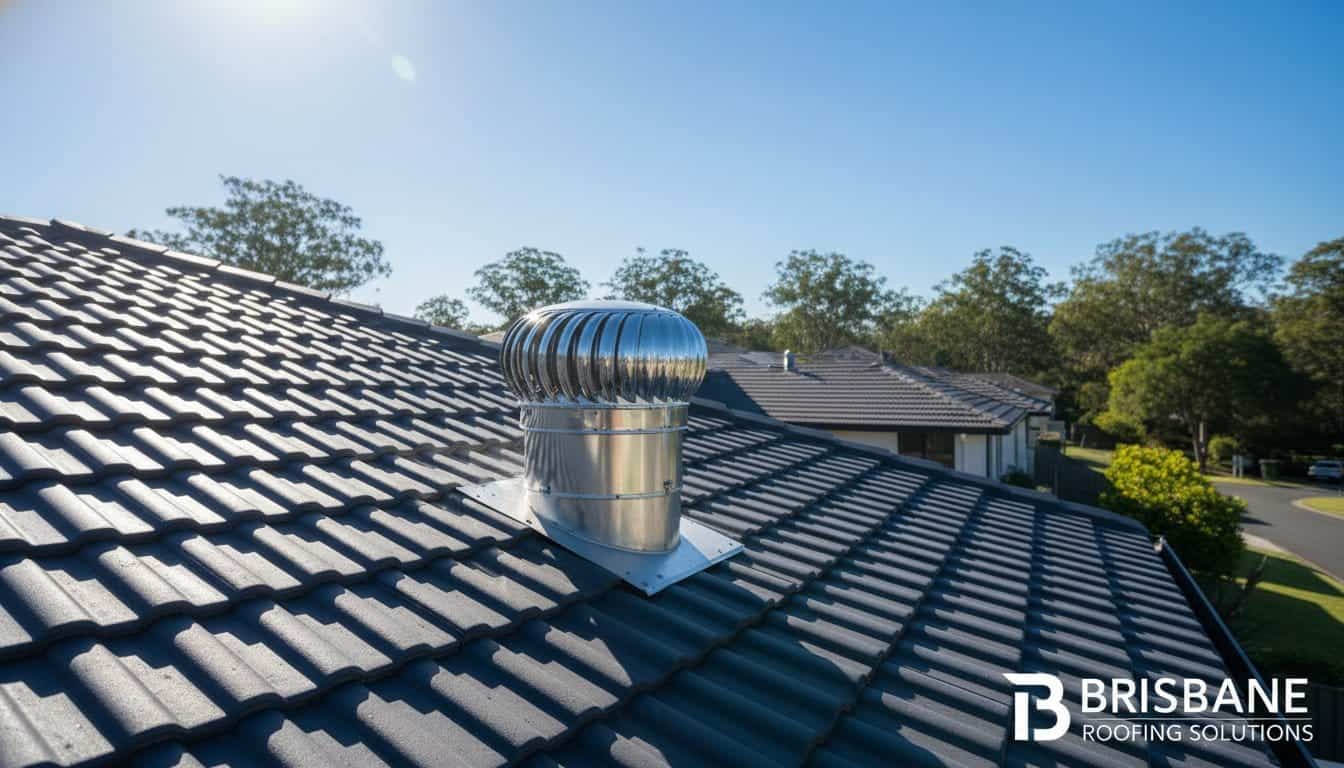
As another scorching Brisbane summer approaches, are you already dreading the stifling heat trapped in your roof space and the relentless hum of the air conditioner? That trapped heat doesn’t just make your home uncomfortable; it drives up your energy bills. While many homeowners know that roof ventilation is the answer, the thought of a DIY project going wrong or hiring an unreliable installer can be a major concern. A quality, professional whirlybird installation is one of the most cost-effective ways to cool your home, but it must be done right to prevent leaks and ensure maximum performance.
This guide was created to provide you with complete peace of mind. We will walk you through the clear benefits of roof ventilation, provide an honest breakdown of the costs involved, and explain the crucial steps a professional takes to guarantee a secure, leak-proof result. By the end, you’ll have the reliable information you need to make a confident decision, protect your home, and finally enjoy a cooler, more comfortable living space all year round.
What is a Whirlybird and Why Does Your Brisbane Home Need One?
A whirlybird, known professionally as a roof turbine ventilator, is a simple yet highly effective device designed to improve your home’s ventilation. Its primary function is to continuously extract hot, stale air and moisture trapped within your roof cavity. This process relies on a natural principle known as passive ventilation, using wind to spin the turbine and draw air upwards. For homeowners in Brisbane, a professional whirlybird installation is one of the most reliable and cost-effective ways to combat our famously hot and humid climate, protecting your home and improving your comfort.
To better understand how these simple devices work, this short video provides a helpful overview:
How Whirlybirds Combat Brisbane’s Heat and Humidity
On a typical summer day, the temperature inside a Brisbane roof cavity can soar to 70°C. This intense heat radiates down through your ceiling, warming up your living spaces. A whirlybird works by creating a constant convection current. As the wind spins the fins, it creates a vacuum effect that actively pulls the super-heated, moisture-laden air out of the roof space. This ventilation cycle prevents the build-up of condensation, which is a leading cause of mould, mildew, and timber rot that can compromise your roof’s structural integrity.
The Key Benefits: Lower Energy Bills and a Healthier Home
By actively cooling your roof cavity, a whirlybird provides several tangible benefits for your household. It’s a small investment that delivers significant, long-term value for both your comfort and your property.
- Reduced Cooling Costs: With less heat radiating into your home, your air conditioning system doesn’t have to work as hard to maintain a comfortable temperature, leading to noticeable savings on your energy bills.
- Improved Indoor Comfort: A cooler roof space means a more pleasant living environment, especially in upstairs rooms, making your home a more comfortable place to be during hot summer afternoons.
- Better Air Quality: By expelling damp, stagnant air, whirlybirds reduce the risk of mould and mildew growth, contributing to a healthier indoor environment for your family.
- Extended Roof Lifespan: A quality whirlybird installation reduces the extreme heat stress on roofing materials, timbers, and insulation, helping to prolong the life of your entire roof structure.
DIY vs. Professional Whirlybird Installation: A Crucial Decision
For many Brisbane homeowners, the temptation to tackle a whirlybird installation as a weekend DIY project is strong. The perceived savings can seem attractive, but it’s essential to weigh them against the significant potential costs of getting it wrong. Your roof is your home’s primary line of defence against the elements, and a small mistake can lead to major, expensive problems down the line. Engaging a professional isn’t just a service; it’s an investment in quality, safety, and your peace of mind.
The Hidden Risks of a DIY Installation
While it may look straightforward, a DIY whirlybird installation is fraught with risks that can turn a cost-saving exercise into a financial headache. Before climbing the ladder, consider these common pitfalls:
- Permanent Roof Leaks: The most common DIY error is improper sealing. Even a tiny gap around the flashing can allow water ingress, leading to timber rot, ceiling damage, and mould growth that can cost thousands to remediate.
- Personal Injury: Working on any roof, especially a sloped one, is inherently dangerous without proper safety equipment and training. A fall can have devastating consequences that far outweigh the cost of professional installation.
- Structural or Electrical Damage: Cutting a hole in your roof without knowing what lies beneath is a major gamble. You risk sawing through a structural roof truss, compromising your home’s integrity, or cutting into hidden electrical wiring.
- Ineffective Placement: A whirlybird’s performance depends entirely on its location. A professional understands airflow and the core passive cooling principles required to position the vent for maximum heat extraction. Poor placement means you’ve done all the work for little to no benefit.
Why a Professional Roofer is Your Best Insurance Policy
Hiring an experienced roofing professional transforms a risky task into a secure investment. A qualified installer provides a level of assurance that DIY simply cannot match.
- Experience with Brisbane Roofs: A local professional has decades of experience working with the specific roof types common in Brisbane, from terracotta and concrete tiles to Colorbond and corrugated metal.
- Correct Tools & Materials: Professionals use high-quality, commercial-grade sealants and specialised flashing designed to withstand Queensland’s harsh sun and torrential rain, ensuring a durable, watertight finish.
- Workmanship Guarantees: A reputable company will stand by their work. This guarantee means that if any issue, like a leak, arises from the installation, they are obligated to fix it at their own cost.
- Full Insurance Coverage: Professional roofers carry comprehensive public liability insurance. In the unlikely event of an accident, your property and everyone involved are fully protected.
A Note on Roof Types: Tile vs. Metal Roofs
The complexity of a whirlybird installation varies significantly with the roofing material. Installing on a tile roof, for instance, requires carefully removing tiles without cracking them and grinding them to fit snugly around the flashing-a delicate task demanding experience. Metal roofs require specific types of flashing and specialised sealing techniques to accommodate the expansion and contraction of the metal sheets in the heat. These are nuances that a professional roofer understands intimately, ensuring a perfect, leak-proof fit every time.
The Professional Installation Process: What to Expect
A professional whirlybird installation is much more than just cutting a hole in your roof. It’s a meticulous, multi-stage process performed by experienced tradespeople to ensure maximum effectiveness, longevity, and complete water tightness. At Brisbane Roof and Paint, we follow a systematic approach that guarantees a high-quality result and gives you complete peace of mind. We believe in thorough preparation and always leave your property as clean and tidy as we found it.
Step 1: On-Site Assessment and Strategic Placement
Our process always begins with a comprehensive on-site assessment. We don’t just pick a spot and start cutting. Our roofing experts inspect your roof’s structure, condition, and existing ventilation. We then determine the optimal number and placement of whirlybirds based on critical factors like your roof’s total area, pitch, and the direction of prevailing winds. This strategic planning ensures your system not only works efficiently but also helps your home meet the National Construction Code ventilation requirements for a healthier living environment.
Step 2: Precision Cutting and Weatherproofing
Once the ideal locations are marked, we perform the precision cutting. Whether you have a tile or metal roof, our team uses the right tools and techniques to create a clean, perfectly sized opening without compromising the integrity of the surrounding materials. The most critical part of the job is weatherproofing. We achieve a durable, watertight seal through a multi-step process:
- Installing the correct metal flashing, custom-fitted to divert rainwater safely down the roof.
- Applying a multi-layer seal using premium, long-lasting silicone sealants that can withstand Brisbane’s harsh climate.
Step 3: Secure Installation and Final Inspection
With the weatherproofing in place, we securely fasten the whirlybird base to the roof structure using mechanical fasteners, ensuring it can withstand strong winds. We then check that the turbine is perfectly level and spins freely without obstruction. Before we consider the job complete, we conduct a final, thorough inspection of the entire installation to guarantee the seal is flawless and completely watertight. This commitment to quality craftsmanship is our promise to you. Trust our 35+ years of experience for a perfect installation.
Choosing the Right Whirlybird for Your Home
When it comes to improving your home’s ventilation, it’s important to understand that not all whirlybirds are created equal. Choosing a product designed to withstand Brisbane’s unique climate of intense heat, high humidity, and seasonal storms is crucial for long-term performance and reliability. A successful whirlybird installation starts with selecting the right unit for your specific needs, focusing on three key factors: material, size, and the total number required.
Material Matters: Aluminium, Steel, or Plastic?
The material of your roof ventilator directly impacts its durability and lifespan, especially in Queensland’s climate. Making an informed choice ensures you get the best value and performance.
- Aluminium: This is our most recommended material for residential applications in Brisbane. It is lightweight, highly resistant to corrosion and rust, and offers exceptional durability. Its ability to withstand the coastal air and humid conditions makes it a reliable, long-lasting investment.
- Steel: Often available in Colorbond finishes, steel ventilators are very durable and can be matched perfectly to your existing roof colour for a seamless look.
- Plastic: While typically more affordable, plastic models can become brittle over time due to constant UV exposure. They may not offer the same level of durability during a hailstorm compared to their metal counterparts.
Sizing and Quantity: How Many Do You Need?
Correctly calculating the number of whirlybirds is essential for effective roof space ventilation. Installing too few will render the system ineffective, while too many is an unnecessary expense.
A widely accepted rule of thumb is to install one standard-sized ventilator for every 90 square metres of roof area. However, this is just a starting point. A professional assessment is the only way to get a precise number, as an expert will consider critical factors like your roof’s pitch, its colour (darker roofs absorb more heat), and the existing level of insulation. This professional approach ensures your whirlybird installation is tailored perfectly to your home for maximum efficiency.
For expert advice on selecting the right ventilation solution for your property, contact the experienced team at Brisbane Roof and Paint. We ensure you get a quality product that delivers results.
Whirlybird Installation Cost in Brisbane: A Smart Investment
Understanding the cost of a professional whirlybird installation is a key step for any homeowner. It’s helpful to view this not as an expense, but as a long-term investment in your home’s comfort, energy efficiency, and structural health. In Brisbane, you can typically expect the cost for a fully installed, high-quality roof ventilator to range from A$300 to A$650 per unit. This price reflects a professional service that ensures a leak-proof and effective result.
The final figure on your quote will depend on a few specific variables related to your property and preferences.
Key Factors Affecting the Price
A reliable quote will be tailored to your home. The main factors that influence the total cost include:
- Number of Whirlybirds: The size of your roof space determines how many ventilators are needed for optimal airflow. While more units increase the cost, they also significantly improve performance.
- Your Roof Type: Installing a whirlybird on a metal roof is often more straightforward than on a tiled roof, which requires carefully cutting and sealing tiles to prevent leaks.
- Roof Pitch and Accessibility: A steep or difficult-to-access roof requires additional safety equipment and time, which will be factored into the labour cost.
- Ventilator Quality and Brand: Premium brands may cost more upfront but often deliver better performance, durability, and longer warranties, providing greater value over time.
What’s Included in a Professional Quote?
A transparent and professional quote is a sign of a trustworthy company. When you receive a quote for your whirlybird installation, it should clearly itemise everything, leaving no room for hidden costs. Look for the following:
- The whirlybird unit(s) and all necessary materials, including industrial-grade sealants and fasteners.
- All labour costs for the complete installation process, performed by experienced technicians.
- Thorough site clean-up and removal of all debris upon completion.
- A clear statement of the workmanship warranty, giving you peace of mind.
Calculating Your Return on Investment
The initial outlay for a professional installation quickly pays for itself. By actively removing trapped heat from your roof cavity, whirlybirds can significantly reduce your reliance on air conditioning during Brisbane’s hot summers, leading to noticeable savings on your energy bills. Furthermore, by managing moisture and heat, you are protecting your roof’s timber structure from rot and premature ageing. This proactive measure adds tangible value and longevity to your biggest asset.
Ready to discover how affordable this smart investment can be for your home? Get a firm, no-obligation quote for your whirlybird installation today.
Secure Your Home’s Comfort with Expert Installation
Investing in a roof ventilator is one of the most effective ways to combat Brisbane’s heat, creating a more comfortable living space while potentially reducing your cooling costs. As this guide has shown, selecting the right whirlybird for your roof and ensuring it is fitted correctly are crucial for maximising these benefits. While a DIY approach can be tempting, a professional installation guarantees proper placement, a secure and leak-proof seal, and long-term performance you can rely on.
When it comes to your home, you deserve quality and peace of mind. As a family-owned business you can trust, Brisbane Roof and Paint brings over 35 years of local roofing experience to every project. We pride ourselves on exceptional craftsmanship and stand behind our work with a full workmanship guarantee. For a seamless and reliable whirlybird installation, take the next step toward a more comfortable home. Request a Free Quote for Your Professional Whirlybird Installation and let our experienced team help you enjoy a cooler home for years to come.
Frequently Asked Questions
Can a whirlybird cause my roof to leak?
A whirlybird itself is designed to be completely weatherproof. However, a leak can occur if the installation is not performed to a high standard. An incorrectly cut opening or poorly sealed flashing are the most common causes of water entry. This is why a professional whirlybird installation is essential. Our experienced technicians guarantee a perfect, watertight seal, using premium sealants and proven techniques to protect your home and provide you with complete peace of mind.
Do whirlybirds work when there is no wind?
Yes, they do. While wind provides the most obvious power, whirlybirds also operate through natural convection. As hot air builds up in your roof cavity, it rises. This rising thermal current is strong enough to pass through the ventilator’s fins, causing them to spin and actively draw more hot air out. So even on a still, hot Brisbane day, your whirlybird is constantly working to help cool your home by expelling trapped heat.
Are whirlybirds noisy?
A high-quality, correctly installed whirlybird should be virtually silent. You will not hear it operating from inside your home. If you hear a squeaking or grinding noise, it typically indicates that the unit is old, the bearings are worn, or it has been damaged. We only use premium, reliable ventilators with durable, sealed bearings to ensure quiet and efficient operation for many years, so you can enjoy a cooler home without any disruptive noise.
How long does a professional whirlybird installation take?
For a standard residential roof, the professional installation of a single whirlybird is typically completed within one to two hours. This timeframe allows our skilled technicians to carefully measure and cut the opening, securely fit the ventilator, and meticulously apply the flashing and sealant for a durable, weatherproof finish. We work efficiently to ensure minimal disruption to your day while upholding our commitment to exceptional craftsmanship and a perfect result.
How do I know if my roof is suitable for a whirlybird?
Most common Brisbane roof types, including both metal (like Colorbond) and tiled roofs, are perfectly suitable for whirlybirds. The main considerations are having adequate roof space for correct placement and ensuring the roof pitch allows for effective ventilation. As part of our service, our experienced team can assess your roof to determine the optimal number and position of ventilators for your specific home, ensuring you receive the maximum cooling benefit.
Do whirlybirds require any maintenance after installation?
Modern whirlybirds are designed to be very low-maintenance, as the sealed bearings do not require any ongoing lubrication. We do recommend a simple visual inspection every few years to check that the unit is free from debris like leaves or twigs and is still spinning freely. During a routine roof inspection or gutter clean, a quick check is all that’s needed to ensure it continues to operate at peak efficiency for years to come.
Do I need council approval to install a whirlybird in Brisbane?
In almost all cases, you do not need approval from the Brisbane City Council for a standard whirlybird installation on a residential property, as it is considered minor building work. The main exception would be for properties that are heritage-listed or fall under specific character code restrictions. As experienced local professionals, we can advise if any special considerations apply to your home, ensuring a smooth and fully compliant installation process from start to finish.