
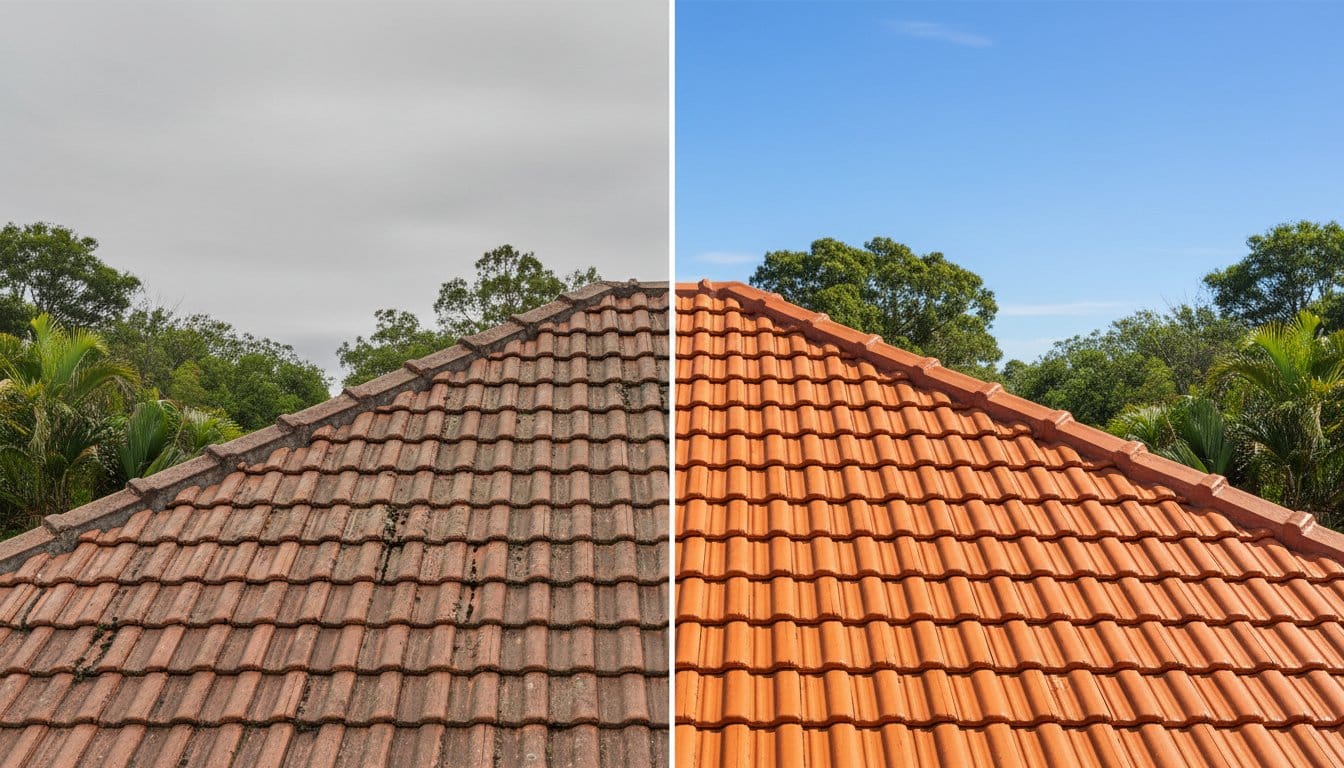
There is an undeniable, timeless charm to a classic terracotta roof, but that beauty requires quality care to endure. If you’re looking up at your home and seeing cracked or broken tiles, a build-up of dirt and moss, or you’re feeling concerned about the potential for leaks, you are not alone. Many homeowners wonder if their beautiful terracotta tiles roof can be repaired or if it faces a costly replacement, leaving them uncertain about the best way to protect their investment.
Fortunately, professional restoration can restore both the structural integrity and the stunning appearance of your roof. This comprehensive guide is designed to provide you with reliable, straightforward information. We will walk you through how to identify common problems, explain the meticulous process a professional team uses for lasting repairs, and help you understand the proper maintenance required to preserve your roof’s character and durability. You’ll gain the confidence that your classic roof can be brought back to life, safeguarding your home for years to come.
What Makes Terracotta Roof Tiles a Classic Brisbane Choice?
Walk through any of Brisbane’s established suburbs, and you’ll inevitably notice the warm, earthy tones of terracotta tiles. The name itself, Italian for ‘baked earth’, points to its natural origins. For centuries, these clay tiles have been a hallmark of quality architecture, and their enduring popularity is no accident. You can learn more about the extensive history of roof tiles to understand their long-standing appeal. Crafted from natural clay and fired at high temperatures, terracotta is not only aesthetically timeless but also an environmentally friendly choice for the modern Brisbane home.
To see what’s involved in maintaining the classic look of these roofs, this video offers a great overview of the restoration process:
One of the most significant reasons for their prevalence in Queensland is their exceptional performance in our climate. The natural thermal mass of terracotta helps to keep homes cooler during Brisbane’s hot, humid summers and warmer during mild winters. This inherent insulation can contribute to better energy efficiency and comfort year-round, making a terracotta tiles roof a practical and beautiful investment.
Key Advantages of a Terracotta Roof
When considering a roofing material, terracotta offers a range of benefits that have stood the test of time:
- Exceptional Durability: A professionally installed and maintained terracotta roof can easily last for over 50 years, often outliving the building itself.
- Fade-Proof Colour: Unlike painted materials, the colour of a terracotta tile is baked through the entire tile. This means it will never fade, peel, or lose its rich, natural hue.
- Natural Resistance: Terracotta is inherently fire-resistant, providing an excellent layer of protection. Its density also offers good thermal and acoustic insulation.
- Coastal-Proof: Being immune to rust and corrosion, terracotta tiles are an ideal choice for Brisbane homes, especially those closer to the coast where salt spray is a concern.
Potential Disadvantages to Be Aware Of
While the advantages are significant, it’s important for homeowners to have a complete picture. We believe in providing honest advice so you can make an informed decision:
- Brittleness: Terracotta can be more brittle than concrete tiles. Improper foot traffic can cause cracks, which is why professional inspection and repair are crucial.
- Porosity Over Time: As they age, older tiles can become more porous and absorb moisture. A quality sealant applied during a restoration can effectively manage this.
- Moss and Lichen Growth: In damp, shaded areas, the textured surface can encourage moss or lichen, which may require professional cleaning to maintain the roof’s integrity.
- Weight: Terracotta is a heavier roofing material. While most homes are built to support it, this is a factor that must be considered, particularly for older structures.
Common Problems Affecting Aging Terracotta Roofs
While renowned for their longevity, terracotta roof tiles are not immune to the effects of time and harsh Australian weather. As a homeowner, you can perform a simple visual inspection from the ground to look for obvious signs of wear. However, for a complete and accurate diagnosis, a thorough inspection by an experienced professional is essential. A trained eye can identify subtle issues that, if left unaddressed, can lead to significant water damage and costly structural repairs. Addressing problems early is always more cost-effective than waiting for a major failure.
Cracked, Chipped, or Broken Tiles
This is one of the most frequent issues we encounter. Damage is typically caused by severe hail, falling tree limbs, or careless foot traffic from other trades. Even a single cracked tile can compromise your roof’s integrity, allowing water to seep underneath and damage the sarking and timber battens. When replacing tiles, it’s crucial to source a precise match in profile and colour to maintain the seamless, classic look of your terracotta tiles roof.
Moss, Algae, and Lichen Growth
The naturally porous surface of older terracotta tiles provides an ideal environment for moss, algae, and lichen to thrive, especially on shaded or damp sections of the roof. While it may seem like a purely cosmetic problem, this growth traps moisture against the tile surface. This constant dampness accelerates wear and can lead to tile degradation over time, turning an aesthetic issue into a structural concern that requires a professional solution.
Deteriorated Mortar and Pointing
The ridge capping refers to the tiles that sit at the apex (or ridges) of your roof. These are held in place by a cement mortar bed and finished with a flexible pointing compound. Over decades of exposure to the elements, this mortar inevitably cracks, crumbles, and breaks away. This deterioration creates direct pathways for water to enter your roof space, making it one of the leading causes of leaks in tiled roofs and a key focus of any quality professional terracotta roof restoration.
The Professional Terracotta Roof Restoration Process
While issues like cracked tiles, persistent leaks, and unsightly moss growth can be concerning, a professional restoration offers a comprehensive and lasting solution. Attempting to repair a terracotta tiles roof is not a suitable DIY project; it requires specialised equipment, safety knowledge, and an expert understanding of the material. At Brisbane Roof & Paint, we follow a meticulous, proven process designed to restore your roof’s structural integrity and its classic aesthetic appeal.
Step 1: Thorough Inspection and Tile Replacement
Our process begins with a detailed, on-roof inspection. A trained technician will carefully assess every section of your roof, identifying not just obvious cracks but also hairline fractures, dislodged tiles, and potential water entry points. We then source high-quality replacement tiles that match your existing profile and colour as closely as possible, ensuring each one is correctly seated and secured to guarantee a weatherproof seal.
Step 2: Professional Cleaning
Over time, terracotta can accumulate stubborn dirt, moss, and lichen. We use commercial-grade pressure cleaning equipment, carefully calibrated to the right pressure to remove decades of grime without damaging the tile surface. This is far more effective and safer than a standard garden hose. Following the clean, we apply a specialised anti-fungal treatment to eliminate any remaining spores and inhibit future regrowth, keeping your roof cleaner for longer.
Step 3: Re-bedding and Re-pointing Ridge Capping
The mortar holding your ridge caps in place is a common failure point. Our team completely removes the old, crumbling mortar and re-beds the ridge caps onto a fresh, solid foundation of cement mortar. To finish, we apply a modern, flexible pointing compound over the joints. This premium material is designed to expand and contract with temperature changes, providing a durable, crack-resistant seal that protects your home for years to come.
Step 4: Protective Sealing (Optional)
To provide the ultimate protection for your terracotta tiles roof, we can apply a clear, penetrating sealer. This optional step significantly reduces the natural porosity of the clay, preventing moisture absorption and discouraging moss and lichen growth. It also beautifully enhances the natural, earthy colours of your tiles without the need for painting, giving your roof a rich, revitalised look. Get a professional assessment of your terracotta roof.
To Paint or Not to Paint? Sealing vs. Painting Terracotta
As experienced roofing professionals, one of the most common questions we receive from homeowners is whether they should paint their terracotta roof. It’s an understandable query, especially when you see neighbours with freshly painted concrete tile roofs. However, it’s crucial to understand that terracotta and concrete are fundamentally different materials, and treating them the same can lead to costly problems.
In short, we almost never recommend painting a terracotta tiles roof. The timeless, earthy colour of terracotta is baked into the clay itself-it’s not a surface coating. Covering this natural beauty with paint not only hides its best feature but can also compromise the integrity of the tiles.
Why Painting Terracotta Is Usually a Bad Idea
Unlike concrete tiles that rely on a painted surface for colour, terracotta’s aesthetic is integral to the material. Applying a film of paint over this porous clay surface creates several significant issues. Paint can trap moisture and efflorescence (naturally occurring salt deposits) within the tile, causing it to blister, peel, and flake over time. This not only looks unsightly but introduces a cycle of costly maintenance that simply didn’t exist before.
The Benefits of a Clear Protective Sealer
The professional and superior method for enhancing and protecting terracotta is to use a high-quality, penetrating sealer. Unlike paint that sits on top of the tile, a premium sealer soaks into the pores of the clay to create a durable, breathable barrier. This process offers exceptional protection without compromising the tile’s natural character.
The key benefits of professional sealing include:
- Enhanced Natural Colour: A clear sealer deepens and enriches the natural, earthy tones of the clay, restoring its original vibrant look.
- Superior Moisture Protection: It creates a hydrophobic barrier that repels water, preventing moisture absorption which can lead to moss, lichen, and algae growth.
- Long-Term Durability: By protecting the tiles from the harsh Australian climate, sealing helps prevent cracking and deterioration, extending the roof’s lifespan.
- Easier Maintenance: The sealed, non-porous surface is much easier to keep clean, as dirt and grime simply wash away.
Ultimately, sealing preserves the integrity and enhances the authentic beauty of your terracotta tiles roof. For a professional assessment and advice on the highest quality sealing solutions for your home, contact the experienced team at Brisbane Roof and Paint for a reliable consultation.
Essential Maintenance Tips for Your Terracotta Roof
A terracotta roof is a significant investment in your home’s quality, beauty, and protection. Performing regular, simple maintenance is the most effective way to protect that investment, ensuring your roof continues to perform beautifully for decades. Proactive care not only prevents minor issues from becoming costly repairs but also preserves your home’s curb appeal and overall property value.
Regular Visual Inspections
The safest and easiest way to monitor your roof’s condition is from the ground. We recommend conducting a thorough visual inspection twice a year, ideally after the summer storm season and again before winter. Using a pair of binoculars allows for a safe, close-up view without ever stepping on a ladder. Look for:
- Slipped or Misaligned Tiles: Gaps in the roofline can expose the underlayment to the elements.
- Visible Cracks or Chips: Damaged tiles compromise your roof’s water-shedding ability.
- Debris Buildup: Leaves, branches, and moss can trap moisture and accelerate wear.
- Mortar Condition: Check the pointing on ridge caps for any signs of cracking or deterioration.
Keep Gutters and Valleys Clean
Clean gutters are essential for any roofing system, but particularly for a terracotta tiles roof. When gutters become clogged with leaves and debris, water can back up and flow underneath the tiles, potentially causing water damage to the roof structure and your home’s interior. Similarly, debris that collects in the roof valleys can trap moisture, leading to premature tile degradation. For safety and a thorough result, we always recommend engaging a professional for gutter and roof cleaning.
Avoid Walking on Your Roof
While incredibly durable against the elements, terracotta tiles can be brittle under direct pressure. Improper foot placement is one of the leading causes of cracked and broken tiles. Walking on your roof without the proper training and safety equipment is extremely hazardous and can cause significant damage. Any task that requires getting on the roof-from minor repairs to inspections-should always be left to an experienced and insured professional who understands how to navigate the surface safely.
By following these tips, you can extend the life of your roof and maintain its classic charm. If a visual inspection reveals any areas of concern, it is always best to seek professional advice. For a comprehensive inspection or expert maintenance, you can rely on the team at Brisbane Roof and Paint to provide quality craftsmanship you can trust.
Trust Brisbane’s Experts with Your Terracotta Roof Restoration
Your terracotta roof is a significant investment in your home’s character and protection. Understanding how to identify common problems and the value of a professional restoration are the first steps to preserving its integrity. With the right care and maintenance, your classic terracotta tiles roof will continue to provide durable, timeless beauty for decades to come.
When it comes to this specialised work, local experience is essential. As a family-owned and operated business, Brisbane Roof and Paint brings over 35 years of dedicated experience to local homeowners. Our commitment to quality craftsmanship and the use of premium products ensures a finish that not only looks exceptional but is built to last.
If you’re ready to restore your roof’s appeal and ensure its long-term protection, we’re here to help. Request a free, no-obligation quote for your terracotta roof restoration. Let our team provide the reliable, professional service your home deserves.
Frequently Asked Questions About Terracotta Roof Tiles
How long does a terracotta roof last in Brisbane?
A quality terracotta roof is a long-term investment for any Brisbane home, often lasting 50 years or more with proper care. Unlike other materials, terracotta tiles are colour-fast and highly resistant to fading under the harsh Queensland sun. While the tiles themselves are exceptionally durable, professional maintenance of ridge capping and flashings is essential to ensure the entire roofing system achieves its maximum lifespan and continues to protect your property effectively.
Is it possible to match old, weathered terracotta tiles for a repair?
Matching older terracotta tiles is a common challenge, but it is certainly possible for an experienced team. We have access to a network of suppliers for both new and reclaimed tiles, covering many profiles and colours from past decades. While an exact match can sometimes be difficult due to weathering, our team excels at finding the closest possible option to ensure a seamless and professional repair that maintains your home’s original character and aesthetic appeal.
How much does it cost to restore a terracotta roof?
The cost to restore a terracotta roof in Brisbane typically ranges from A$4,000 to A$10,000+, depending on the roof’s size, pitch, and overall condition. A professional restoration is a thorough process that includes cleaning, replacing broken tiles, re-bedding and re-pointing ridge caps, and applying a protective sealant. We provide a detailed, obligation-free quote after a proper inspection to ensure you receive an accurate and transparent price for a high-quality result.
Is high-pressure washing safe for my terracotta tiles?
Using excessive high pressure on terracotta tiles can be risky and is not recommended. It can damage the protective glaze on the tiles, dislodge the mortar in your ridge capping, and force water into your roof cavity, potentially causing leaks. A professional cleaning service uses carefully controlled pressure and specialised techniques to safely remove mould, lichen, and dirt without compromising the integrity of your roof. This ensures a thorough clean and protects your long-term investment.
What’s the difference between terracotta and concrete roof tiles?
The primary difference lies in the material and colour longevity. Terracotta tiles are made from natural clay and fired in a kiln, which bakes the colour all the way through, meaning they won’t fade. Concrete tiles are made from a sand and cement mixture with a coloured coating applied to the surface, which can wear away over time. While both are durable options, terracotta generally offers superior long-term colour performance and a longer lifespan.
Can you repair a terracotta roof without replacing all the tiles?
Absolutely. In most cases, a full replacement is not necessary. We specialise in targeted repairs for your terracotta tiles roof, addressing specific issues like cracked or broken tiles, damaged ridge capping, or isolated leaks. This approach is far more cost-effective and efficient than a complete re-roof. Our thorough assessment will identify only the areas needing attention, ensuring a reliable repair that extends the life of your existing roof without unnecessary expense.