
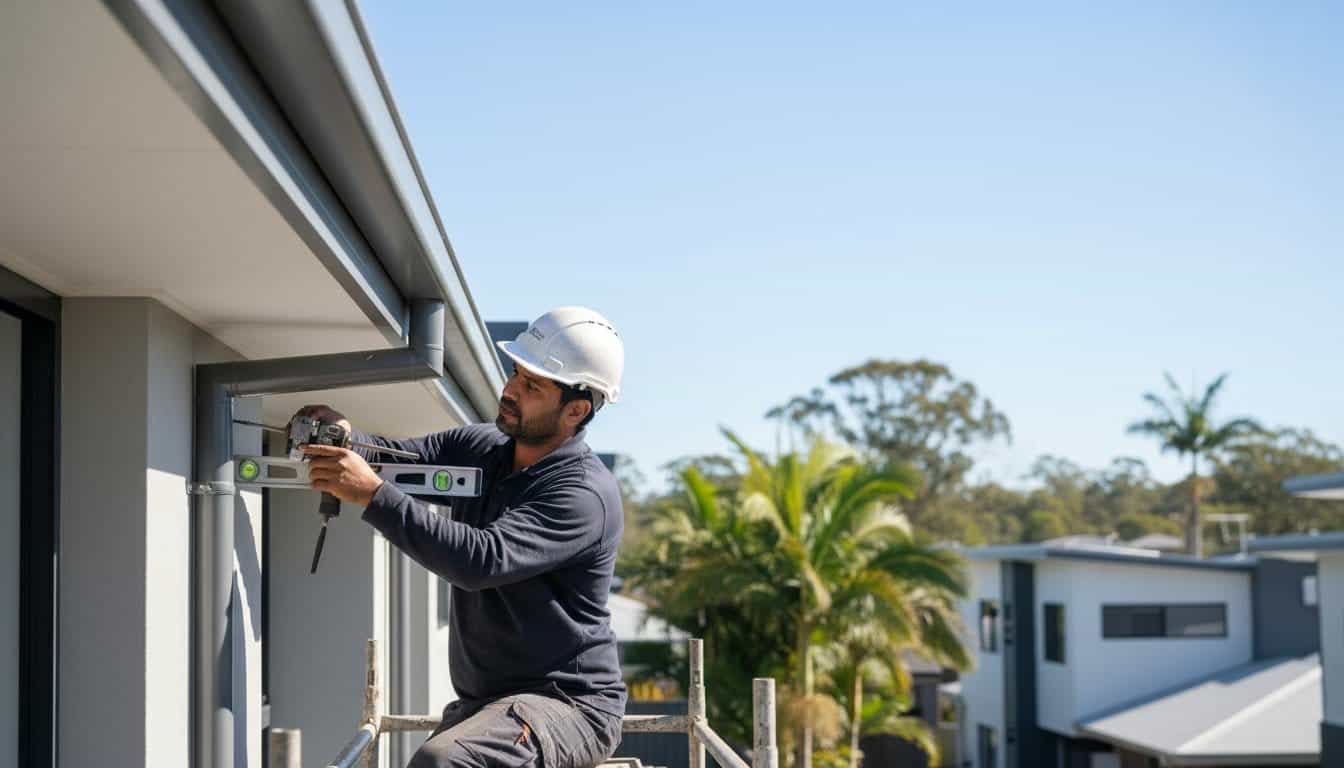
That dreaded drip from the ceiling has started-a common worry for homeowners during Brisbane’s storm season. When gutters overflow or water stains appear, it’s easy to feel unsure about who to call. Is it a job for a roofer, or do you need a specialist roof plumber? This confusion can lead to delays and potentially more extensive damage, but finding the right professional is crucial for a reliable, long-term solution.
A roof plumber’s expertise extends far beyond just clearing gutters. They are licensed specialists who manage your home’s entire roof drainage system, from the metal sheeting and flashings right down to the downpipes that protect your foundations. Their work is a critical line of defence against water damage, yet their role is often misunderstood.
This guide will provide the clarity you need. We’ll explain exactly what a roof plumber does, the key signs you need one for your Brisbane home, and how their quality work prevents costly repairs. You’ll gain the confidence to diagnose the problem and hire the right expert to keep your home safe and dry.
What is a Roof Plumber? Clarifying the Key Differences
When you think of a plumber, you likely picture someone fixing a leaking tap or a blocked toilet. However, a specialised field exists to protect your home from the top down. A roof plumber is a licensed tradesperson who designs, installs, and maintains the entire water management system on your roof. Their primary goal is to efficiently and safely channel rainwater from your roof, into your gutters and downpipes, and away from your home’s foundations.
Think of them as the traffic controllers for rainwater on your property, ensuring a smooth and non-destructive flow. In Queensland, this is a highly skilled and regulated trade, requiring specific licensing to ensure all work is performed to a high standard of safety and quality.
To see this specialised trade in action, this video provides a great overview:
Roof Plumber vs. General Plumber: It’s All in the Water
The key difference lies in the type of water they manage. A general plumber works with the ‘sanitary’ plumbing system inside your home-the pipes that bring clean water to your taps and take wastewater away. A roof plumber, on the other hand, deals exclusively with the ‘stormwater’ system. This includes everything designed to handle rain: gutters, downpipes, roof flashing, and drainage. You wouldn’t call a general plumber for a faulty gutter, as they lack the specific licensing and expertise for roofing systems.
Roof Plumber vs. Roofer: Water Management vs. Structure
This distinction is also crucial. A roofer is responsible for the primary surface and structure of your roof-the tiles, metal sheeting, and underlying framework that keep your home covered. In contrast, a roof plumber installs and maintains the drainage system attached to that structure. A great way to understand their collaboration is to think of a road: the roofer builds the road surface, while the plumber installs the gutters and drains to manage water runoff. This expert article on What is a Roofer? provides excellent context on their structural focus.
Why This Specialisation Matters for Your Brisbane Home
In a city like Brisbane, known for its intense summer downpours, this specialisation is a necessity. A poorly maintained stormwater system can quickly become overwhelmed, leading to water overflowing and pooling around your foundations. This can cause severe structural damage, soil erosion, and costly repairs. Engaging a professional with experience in roof plumbing ensures your home’s drainage system is built to handle a Queensland storm while complying with Brisbane City Council (BCC) building codes.
The Core Responsibilities of a Roof Plumber
A professional roof plumber is responsible for the complete system that manages rainwater on and from your roof. Their work goes far beyond simple repairs, encompassing the installation and maintenance of all roof drainage components. According to the Australian government definition of a roof plumber, their role involves fabricating and installing guttering, downpipes, and flashing to protect buildings. This meticulous work, whether on a metal or tile roof, is focused on preventing water damage before it happens, safeguarding your home’s structural integrity.
Gutters and Spouting: The First Line of Defence
Gutters and spouting are your roof’s primary collectors of rainwater. A professional ensures they are installed with the correct fall, or slope, allowing water to flow efficiently to the downpipes without pooling. Our services include repairing leaks and rust, realigning sagging sections, and performing regular cleaning. This preventative maintenance is essential to avoid blockages and overflows that can lead to costly water damage to your eaves and foundations.
Downpipes: Directing Water Safely Away
Downpipes are the vital channels that guide rainwater safely from your gutters to the ground. Their primary job is to prevent water from sheeting down walls and pooling around your home’s foundation. We handle the professional installation and replacement of downpipes, as well as unblocking pipes filled with leaves and debris. We ensure they are correctly connected to your property’s stormwater drains or routed to a rainwater tank for sustainable water collection.
Roof Flashing: Sealing the Most Vulnerable Points
Roof flashing consists of metal sheets installed at the most vulnerable points of your roof-where the roof meets a wall, chimney, vent, or skylight. Its purpose is to create a watertight seal at these joints and penetrations. Unfortunately, failed, rusted, or improperly installed flashing is one of the leading causes of persistent roof leaks. Our experienced team can inspect, repair, and replace flashing with precision, ensuring every potential entry point for water is professionally sealed.
Leak Detection and Repair
When a leak appears, finding its source is the most critical first step. Water can travel a long way from where it enters the roof to where it becomes visible on your ceiling. An experienced roof plumber uses a systematic process to trace the leak back to its origin, whether it’s a cracked tile, a failed sealant, a blocked gutter, or damaged flashing. This accurate diagnosis ensures that we perform the right repair the first time, providing a reliable and lasting solution.
Warning Signs: When to Call a Roof Plumber in Brisbane
Your home’s roof plumbing system is its first line of defence against South East Queensland’s challenging climate. From subtropical downpours to intense summer storms, your gutters, downpipes, and roof flashings work tirelessly to protect your property. Addressing small issues early is the key to preventing extensive and costly water damage. We recommend performing a visual check of your property after any significant weather event. Use this simple checklist to identify common warning signs that it’s time to call a professional.
Visible Water Damage Inside Your Home
The most obvious red flag is evidence of water where it shouldn’t be. During Brisbane’s heavy rains, even a minor fault in your roof plumbing can allow water to penetrate your home’s structure. Look for:
- Ceiling and Wall Stains: Brown or yellowish patches on ceilings or high on your walls are a classic sign of a slow leak.
- Peeling or Bubbling Paint: Moisture getting behind the paint will cause it to lose adhesion, resulting in bubbles or flakes.
- Musty Odours: A persistent damp or musty smell, particularly in your attic or top-floor rooms, often points to hidden moisture and potential mould growth.
Issues with Gutters and Downpipes
Your gutters and downpipes are designed to channel a massive volume of water away from your home safely. When they aren’t performing correctly, the water has to go somewhere else-often where it can cause damage. Keep an eye out for:
- Overflowing Gutters: If water is cascading over the sides of your gutters during rain, it’s a clear sign of a blockage or incorrect installation.
- Visible Damage or Sagging: Gutters that are pulling away from the roof, sagging in the middle, or showing signs of rust and holes are failing.
- Debris and Pests: Plants growing in gutters are a sure sign of a long-term blockage that is trapping moisture against your roofline.
Exterior Wall and Foundation Problems
A failing roof plumbing system can cause significant damage to the outside of your home and its foundations. Misdirected water can lead to serious structural issues over time. Be aware of:
- Stains or Mould on Exterior Walls: Dark streaks, mould, or mildew growth on the walls directly below your roofline indicate persistent water overflow.
- Pooling Water: If you notice water collecting around your home’s foundation after it rains, your downpipes may not be directing water far enough away.
- Garden Bed Erosion: Water pouring directly from the roof can wash away soil and mulch from garden beds located under the eaves.
These symptoms are more than just cosmetic problems; they indicate that your home’s water management system is compromised. When you see these signs, it’s time to contact a qualified roof plumber. This specialised work requires a deep understanding of water flow and building codes, which is why tradespeople must meet specific licensing requirements for roof plumbing to ensure every job is completed to a high, professional standard.
Choosing the Right Roof Plumber: A 5-Point Checklist
When your roof needs attention, selecting the right professional is one of the most important decisions you’ll make for your home. A skilled roof plumber does more than just fix a leak; they are specialists who protect your entire property from the costly and stressful effects of water damage. To ensure you hire a trustworthy expert, we’ve created this essential checklist. Focusing on these key areas will help you choose a professional with confidence, ensuring the job is completed to the highest standard.
1. Correct Licensing and Insurance
This is the non-negotiable first step. In Queensland, a tradesperson must hold a specific QBCC license for roof and wall cladding to perform this work-a different qualification from a general plumbing license. Always ask to see their license and confirm they hold current public liability insurance. Hiring an unlicensed or uninsured individual exposes you to significant risks, including poor workmanship, voided home insurance, and no professional recourse if something goes wrong.
2. Proven Local Experience and Reputation
A company with deep roots in the Brisbane area offers invaluable expertise. They understand the unique challenges posed by our subtropical climate and common issues found in local housing styles, from classic Queenslanders to modern builds. Look for a business with a long, stable history and check for genuine online reviews and testimonials from local customers. A strong local reputation is often the best indicator of quality craftsmanship and reliable service.
This principle of trusting long-standing, accredited professionals extends beyond home services to essential healthcare. For instance, those in Sydney can learn more about Midway Dental Clinic, a practice that has served its community for over two decades, showcasing the kind of reliability you should look for in any expert.
3. Clear, Detailed Quoting
A professional will always provide a clear, itemised, and written quote that outlines the full scope of work, the specific materials to be used, and the total cost. They should also be able to explain the problem and their proposed solution in terms you can easily understand. Be cautious of vague quotes or prices that seem significantly lower than competitors-this can be a red flag for cutting corners or using inferior products that won’t last.
4. Guarantees on Workmanship
Confidence in one’s work is the hallmark of a true professional. Always ask what guarantees or warranties are offered on both their labour and the materials they supply. This provides you with crucial peace of mind and demonstrates that the business stands behind the quality and durability of its service. Our family business has guaranteed its work for over 35 years.
When a Plumber’s Job Ends and a Restorer’s Begins
A roof plumber provides an essential service, expertly managing your roof’s water drainage system. They are the specialists you call to fix leaks, clear blocked gutters, and ensure rainwater is channelled safely away from your home. But what happens when the source of the problem isn’t just a blockage, but the overall condition of your roof’s surface?
Imagine this scenario: a plumber is called to fix a leak caused by a blocked roof valley. They efficiently clear the debris and stop the water from getting in. While on the roof, however, they notice that dozens of tiles are cracked, the ridge capping is crumbling, and the surface looks worn and porous. They’ve fixed the immediate symptom, but the underlying cause-a deteriorating roof-remains. This is precisely where the role of a plumber ends and the need for a roof restoration specialist begins.
Identifying Widespread Surface Damage
While carrying out their work, an experienced roof plumber can often spot signs of widespread deterioration that go beyond their scope. These are not isolated issues but indicators that the entire roof’s protective barrier is failing. Telltale signs include:
- Cracked, broken, or dislodged tiles.
- Widespread rust on a metal roof.
- Crumbling or missing mortar (pointing) along the ridge caps.
- A faded, patchy, or porous-looking surface.
When these problems are present, a simple leak repair is only a temporary fix. A professional will recommend a thorough inspection by a roof restoration expert to assess the roof’s overall health.
The Roof Restoration Solution
Roof restoration is a comprehensive process designed to address the root cause of widespread surface issues. It’s a complete overhaul that returns your roof to prime condition, extending its lifespan for years to come. This thorough process involves repairing and replacing damaged sections, high-pressure cleaning to remove all contaminants, and applying a premium multi-coat membrane that seals and protects the entire surface. It provides a long-term, reliable solution that safeguards your home from the elements.
If a tradesperson has highlighted concerns about your roof’s condition, it’s a clear sign that it needs more than a simple patch-up. Protecting your home starts with a healthy, reliable roof. If your roof needs more than a simple fix, explore our restoration services.
Protect Your Home with Expert Roof Plumbing
As we’ve seen, your roof’s drainage system is a complex network that requires specialised care. Understanding the distinct role of a professional roof plumber, and recognising the early warning signs of trouble, are crucial first steps in safeguarding your home from costly water damage. Choosing the right expert ensures that issues from blocked downpipes to hidden leaks are addressed with precision and long-lasting quality.
For Brisbane homeowners, peace of mind comes from trusting a team with proven local experience. At Brisbane Roof and Paint, our family-owned business has been protecting local properties for over 35 years. As QBCC licensed and fully insured specialists in both targeted leak repairs and complete roof restorations, we provide a comprehensive service you can rely on.
Don’t wait for a small drip to become a major disaster. Notice a leak or overflow? Get a professional roof inspection today. Let our experienced team provide the quality craftsmanship and peace of mind your home deserves.
Frequently Asked Questions
How much does it cost to hire a roof plumber in Brisbane?
The cost to hire a professional roof plumber in Brisbane can vary depending on the job’s complexity, materials required, and urgency. Generally, you can expect hourly rates to range from A$90 to A$150. For a precise quote, it is always best to schedule an inspection. This allows a reliable tradesperson to provide a detailed, fixed-price quote based on a thorough assessment of the work, ensuring there are no surprises and you receive quality, long-lasting results.
Are roof plumbers licensed in Queensland?
Yes, absolutely. In Queensland, any individual carrying out roof plumbing work must hold a valid licence from the Queensland Building and Construction Commission (QBCC). This is a critical requirement that protects homeowners. A licensed professional has the proven qualifications, experience, and necessary insurance to perform the work to a high standard. We always recommend verifying a tradesperson’s QBCC licence before commencing any work on your home to ensure compliance and peace of mind.
Can a roof plumber fix a leak in a tile roof as well as a metal roof?
A qualified and experienced roof plumber has the expertise to diagnose and repair leaks on all common roof types, including both tile and metal. The repair methods differ significantly; fixing a tile roof might involve replacing cracked tiles or re-bedding ridge caps, while a metal roof leak often requires sealing seams or replacing damaged sheets and flashings. A professional understands these nuances and uses the correct techniques and premium materials to ensure a durable, watertight repair for your specific roof.
What happens during a professional roof plumbing inspection?
During a professional inspection, our experienced team conducts a thorough assessment of your entire roof water management system. We meticulously check gutters for blockages, rust, and correct fall. We also examine downpipes, flashings, roof valleys, and any penetrations for signs of damage or potential leaks. This detailed process allows us to identify underlying issues before they become costly problems, providing you with a clear report and recommendations for maintaining the integrity of your roof.
Is it an emergency if my gutters are overflowing?
Persistent gutter overflow should be treated with urgency. When water cannot drain away, it can back up under your eaves and seep into the roof cavity or wall frames. This can lead to serious and expensive problems like timber rot, ceiling damage, and mould growth. While a minor overflow during an extreme Brisbane downpour might not be an immediate crisis, if it happens regularly, it indicates a significant blockage that requires prompt professional attention to protect your property.
How often should I have my gutters and downpipes checked?
For most Brisbane homes, we recommend a professional inspection of gutters and downpipes at least once a year. However, if your property is surrounded by large trees, particularly those that shed leaves, a bi-annual check is a wise investment to prevent blockages. Regular maintenance is key to ensuring your roof plumbing system functions correctly, especially in preparation for storm season, and helps extend the lifespan of your roof and protect your home from water damage.